


Discover the Magic of Swedish Massage for Relaxation
- Emma DeJonge
- Apr 21
- 4 min read
Updated: May 6
Swedish massage is one of the most popular and widely practised forms of massage therapy around the world. Its gentle yet effective techniques make it a favourite for those seeking deep relaxation and relief from everyday stress. But what exactly makes Swedish massage so special? This article explores the reasons behind its popularity and how it promotes relaxation in both body and mind.
The Science Behind Swedish Massage Relaxation
Swedish massage uses a combination of long, flowing strokes, kneading, friction, tapping, and gentle shaking to stimulate the muscles and soft tissues. These techniques help increase blood circulation, delivering more oxygen and nutrients to the muscles. Improved circulation also aids in flushing out toxins and metabolic waste products from the body.
The rhythmic movements of Swedish massage activate the parasympathetic nervous system, often called the "rest and digest" system. This activation helps reduce heart rate and blood pressure, promoting a state of calm and relaxation. Additionally, the massage encourages the release of endorphins, the body’s natural painkillers and mood enhancers, which contribute to feelings of well-being.
By combining physical and neurological effects, Swedish massage creates a holistic experience that relaxes both the body and mind.

How Swedish Massage Techniques Promote Relaxation
The techniques used in Swedish massage are designed to relax muscles and ease tension. Here are some of the key methods and how they contribute to relaxation:
Effleurage (long gliding strokes): These strokes warm up the muscles and prepare them for deeper work. They also soothe the nervous system and help the client feel calm and comfortable.
Petrissage (kneading and squeezing): This technique loosens tight muscles and improves circulation. It helps break down knots and muscle adhesions, reducing stiffness.
Friction (deep circular movements): Friction targets deeper layers of muscle tissue, promoting flexibility and reducing chronic muscle pain.
Tapotement (rhythmic tapping): This stimulates the muscles and nerves, increasing alertness while still promoting relaxation.
Vibration (gentle shaking): Vibration helps relax muscle fibres and relieve tension.
Each technique is applied with varying pressure depending on the client’s needs, ensuring a personalised and effective treatment. The combination of these movements creates a soothing rhythm that calms the nervous system and melts away stress.
What Parts of the Body Are Massaged During a Swedish Massage?
Swedish massage typically covers most of the body, focusing on areas where tension commonly builds up. The main parts massaged include:
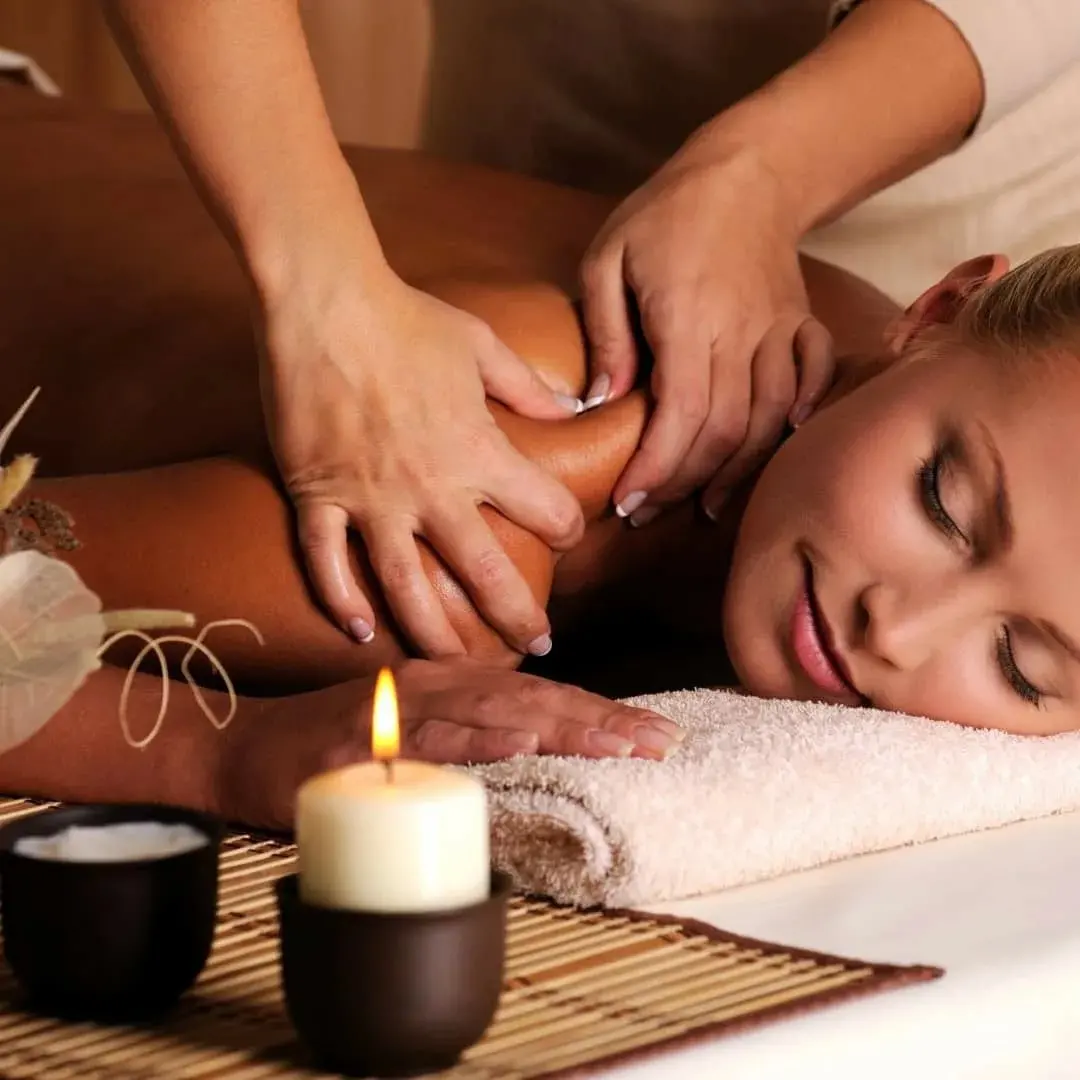
Back and shoulders: These areas often hold a lot of stress and tension, especially from poor posture or long hours at a desk.
Neck: Gentle strokes help relieve stiffness and improve mobility.
Arms and hands: Massage here improves circulation and reduces muscle fatigue.
Legs and feet: These parts benefit from improved blood flow and relaxation, especially after standing or walking for long periods.
Chest and abdomen: Light massage in these areas can aid digestion and promote relaxation.
The therapist usually starts with the back and works their way around the body, ensuring a balanced and comprehensive treatment. This full-body approach helps release tension from head to toe, leaving the client feeling refreshed and relaxed.

Practical Tips for Maximising Swedish Massage Relaxation
To get the most out of a Swedish massage, consider these practical recommendations:
Communicate your preferences: Let your therapist know if you prefer lighter or firmer pressure. This ensures your comfort and maximises relaxation.
Arrive early: Give yourself time to unwind before the session. Avoid rushing in, as stress can counteract the benefits.
Stay hydrated: Drinking water before and after the massage helps flush out toxins released during the treatment.
Wear comfortable clothing: Loose, easy-to-remove clothes make the experience smoother.
Focus on breathing: Deep, slow breaths during the massage enhance relaxation and help you stay present.
Schedule regular sessions: Consistent massages can maintain muscle health and reduce chronic stress over time.
By following these tips, you can enhance the calming effects of Swedish massage and enjoy longer-lasting benefits.
Exploring the Swedish Massage Benefits
Swedish massage offers a wide range of benefits beyond just relaxation. It can help reduce muscle tension, improve flexibility, and alleviate pain from injuries or chronic conditions. Many people find it helpful for managing anxiety and improving sleep quality. The gentle techniques also make it suitable for people of all ages and fitness levels.
Whether you are recovering from physical strain or simply want to unwind after a busy week, Swedish massage provides a safe and effective way to restore balance to your body and mind.
Embracing Swedish Massage as a Relaxation Ritual
Incorporating Swedish massage into your self-care routine can transform how you manage stress and maintain wellness. The calming environment, skilled touch, and therapeutic techniques combine to create a deeply restorative experience.
Try to view your massage sessions not just as treatments but as moments of mindful relaxation. Allow yourself to fully disconnect from daily worries and focus on the sensations of comfort and ease. Over time, this practice can improve your overall resilience to stress and enhance your quality of life.
By prioritising relaxation through Swedish massage, you invest in your physical and mental health in a gentle, enjoyable way. Whether you visit a professional spa or learn basic techniques for home use, the benefits of Swedish massage are accessible and rewarding.
The Holistic Approach to Well-Being
At The Pixie Retreat, we believe in a holistic approach to well-being. Our sanctuary in Swadlincote is designed to help you find deep relaxation and improved well-being through a magical and nurturing experience. Each session is tailored to your unique needs, ensuring that you receive the most effective treatment possible.
Imagine stepping into a serene space where the stresses of the outside world melt away. The soothing sounds, calming scents, and expert hands await you. It’s not just a massage; it’s a journey towards rejuvenation and self-discovery.
Swedish massage remains a popular choice for relaxation because it blends effective physical therapy with soothing sensory experiences. Its ability to calm the nervous system, relieve muscle tension, and promote emotional well-being makes it a valuable tool for anyone seeking peace and rejuvenation in today’s fast-paced world.

Comments